• Skip to main content

Slow Living Kitchen

menu icon
go to homepage
  • Start Here
  • Food Preservation
  • Foraging Guides & Resources
  • Seasonal Recipes
  • About
    • Contact
    • Email
    • Instagram
    • Pinterest
    • Twitter
    • YouTube
  • subscribe
    search icon
    Homepage link
    • Start Here
    • Food Preservation
    • Foraging Guides & Resources
    • Seasonal Recipes
    • About
      • Contact
    • Email
    • Instagram
    • Pinterest
    • Twitter
    • YouTube
  • ×

    Published: Mar 6, 2024 by Stephanie Gravalese · This post may contain affiliate links ·

    Foraging for Japanese Knotweed

    Japanese knotweed, often scorned as an invasive species, hides a secret worth uncovering. With bamboo-like stalks and broad leaves, this plant is a survivor and a source of unique flavors ready to be explored in your kitchen.

    a person in a multi-colored dress reaching across in the picking something off of a tree

    Description and Identification

    Japanese knotweed shoots up quickly in spring, reaching heights up to 10 feet. Its hollow, bamboo-like stems, large, oval green leaves, and clusters of tiny white flowers make it unmistakable. When young, its shoots are tender and juicy.

    What Does Japanese Knotweed Taste Like?

    The young shoots of Japanese knotweed taste reminiscent of sour apples or rhubarb, making it excellent for sweet and savory dishes. Its acidity can be a delightful substitute for lemon or vinegar in recipes.

    Foraging Tips

    Harvest Japanese knotweed in early spring when the shoots are tender, often before the leaves have fully unfurled. It's commonly found in sunny, disturbed areas like roadsides and riverbanks, but always ensure plants are foraged from clean, unpolluted areas.

    Harvesting Techniques

    Wear gloves and cut the young shoots near the base. The outer layer is fibrous, so it's often peeled or trimmed away to reveal the tender insides, much like rhubarb.

    Culinary Uses

    Japanese knotweed can be used in pies, jams, and compotes or pickled for a tangy snack. Its sour punch adds depth to sauces and soups, offering a unique twist on traditional recipes.

    Recipes Ideas

    Japanese Knotweed Pie closely mirrors the classic rhubarb pie's tangy filling and sweet, flaky crust.. Alternatively, Pickled Japanese Knotweed makes for an intriguing condiment, offering a blend of sour and spicy flavors.

    More Explore + Forage: Foraging Guides & Resources

    • JLA07019
      Foraging Basics and Safety Tips
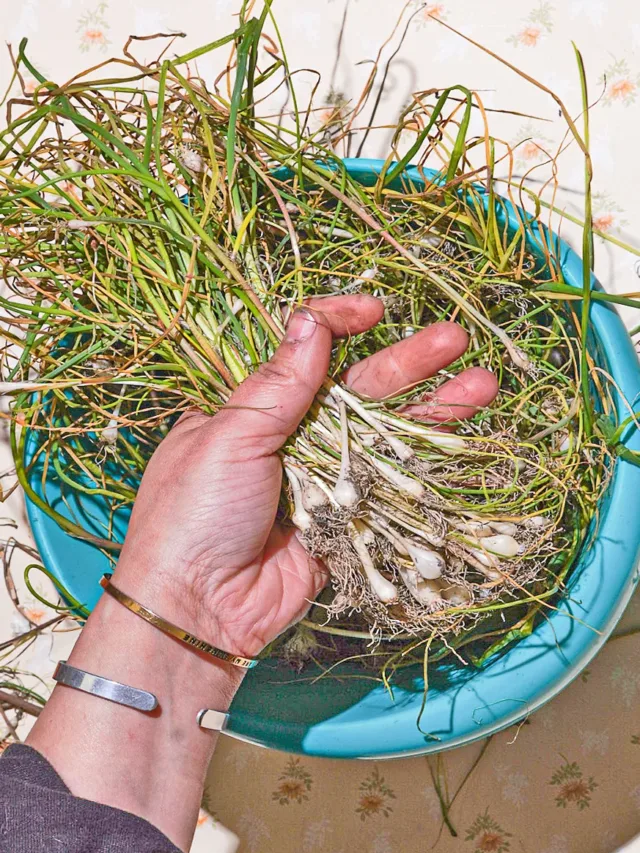
    • person a bunch of wild onions with left hand. The background is hundreds of foraged wild garlic heads, cloves and leaves
      Beginner's Guide to Identifying Wild Edibles
    • JLA07155
      The Ultimate Guide to Foraging Tools and Gear
    • JLA07192
      Must-Have Mushroom Foraging Tools for Success in the Field
    Avatar of Stephanie Gravalese

    About Stephanie Gravalese

    Hi, I'm Stephanie Gravalese! I'm a food writer, photographer, and recipe developer with a decade of experience in the food industry. Here, I share seasonal recipes, sustainable preservation, and foraging guides for a more intentional kitchen.

    Reader Interactions

    Comments

    No Comments

    Leave a Reply Cancel reply

    Your email address will not be published. Required fields are marked *

    Recipe Rating


    Footer

    ↑ back to top

    About

    • About Me
    • Recipes
    • Privacy Policy

    Newsletter

    • Sign Up! for emails and updates.
    • Web Stories

    Contact

    • Contact
    • Let's Work Together

    As an Amazon Associate, I may earn from qualifying purchases.