
Food waste in the United States has wide-reaching negative ramifications—on climate, health, and food security.
Countering this wasteful apex is a burgeoning global zero-waste movement. The United States Environmental Protection Agency takes on zero waste by regulating product design—the quintessential tip of the iceberg.
Products that conserve natural resources preserve value, and minimize environmental impacts create a positive trickle-down effect. The Zero Waste International Alliance has embraced a global approach seeking to infuse responsible disposal practices with an eye for proper land management and environmental safety.
Yet, this philosophy isn’t a modern concept, but harkens to the original Indigenous caretakers of the earth. In 1519, the city of Mexico-Tenochtitlán was the largest in the Americas, home to 200,000 Aztec people, with an incredibly advanced zero waste system.
This was especially true when it came to food. Tenochtitlán recycled nutrients by reintroducing food scraps and human waste as fertilizer that nurtured crops, which produced food for the city.
The simple idea of recycling food scraps is a basic principle and the perfect starting point for introducing zero-waste habits.
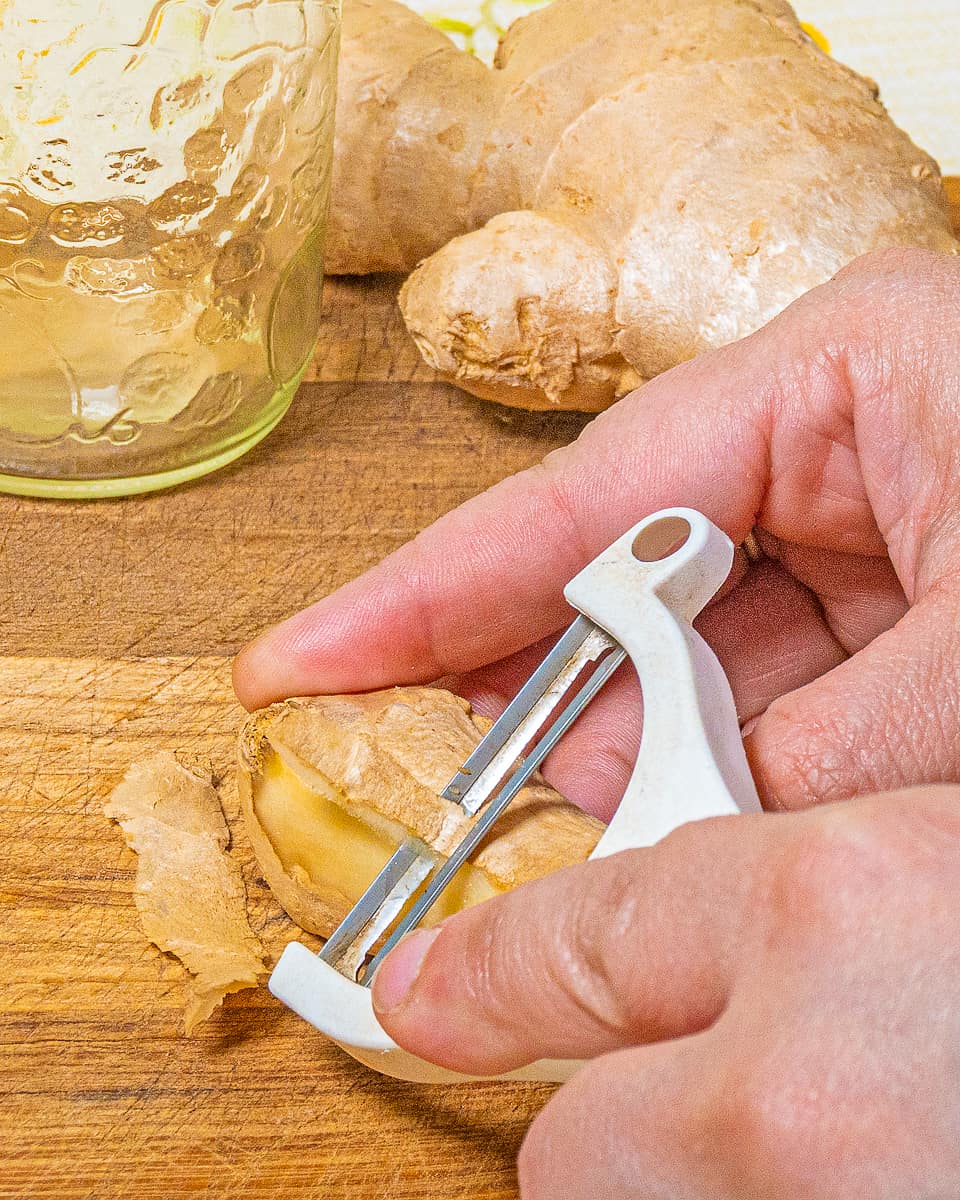
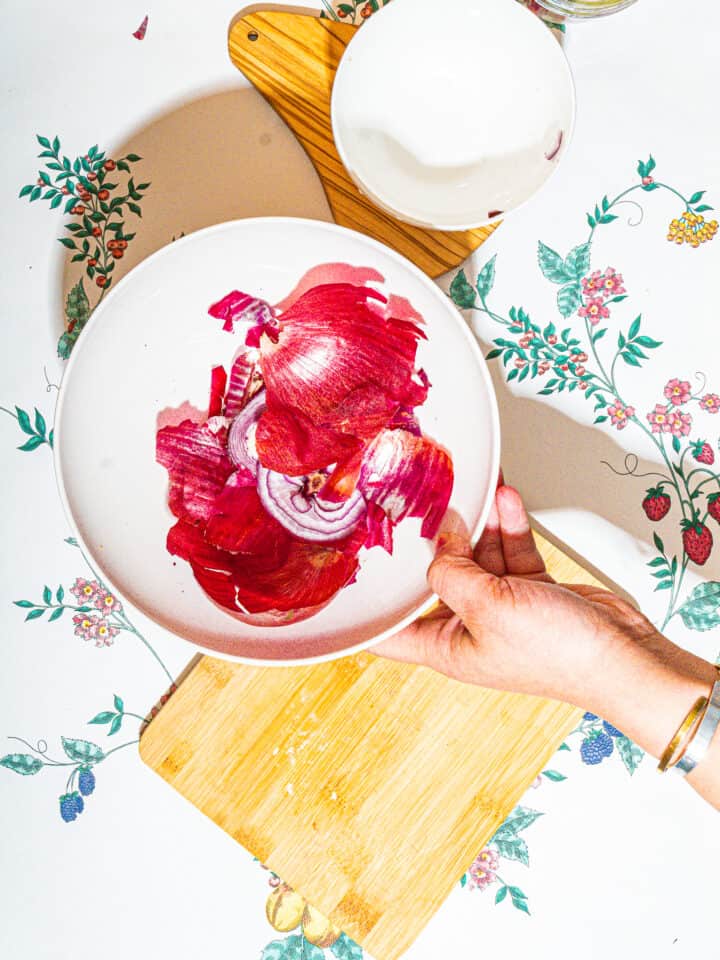
Food scraps—think carrot tops, potato skins, animal bones, squash seeds, fruit peels, cheese rinds, herb stems, and even coffee grounds—are easily transformed into meals and tasty snacks with the right recipe. Even perishable food gone bad can be tossed into a compost bin to create rich fertilizer.
Pela compiled a list of ways to reduce cooking waste in the kitchen, which can help reduce food spoilage, minimize packaging waste, boost environmental health, create nutrient-dense meals, and save money.
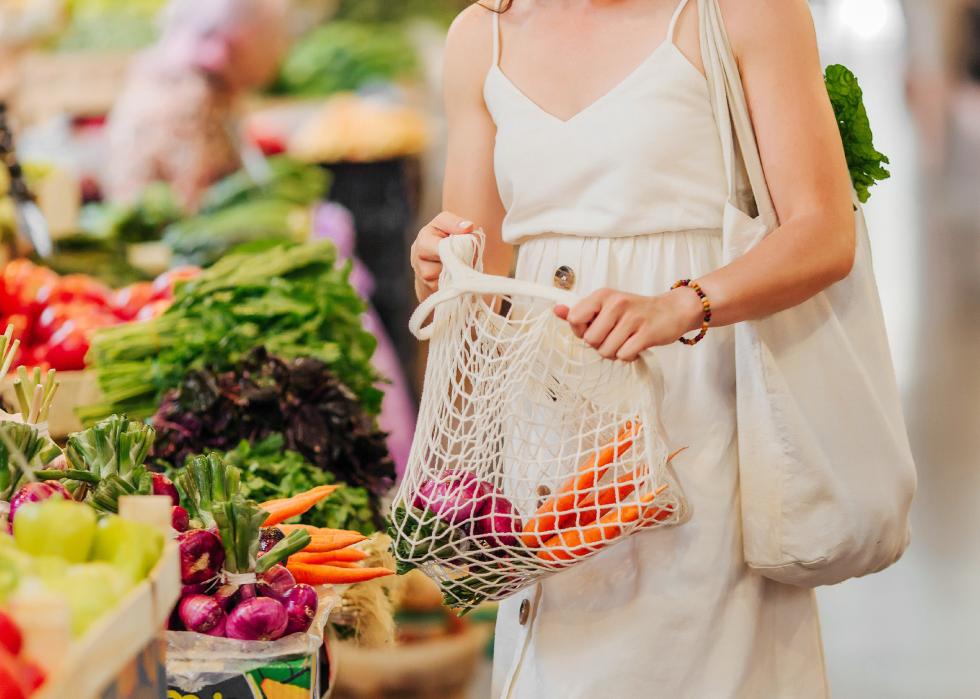
Carefully map out a grocery list
Effectively shopping with zero waste in mind means mapping a trip to the grocery store—no joke. Traditional grocery stores have similar layouts with packaged food aisles in the center and fresh produce, baked goods, and meat on the outer ring. Basic rules include shopping the outer ring exclusively, avoiding the pre-packaged aisles in the center, and focusing on bulk bins.
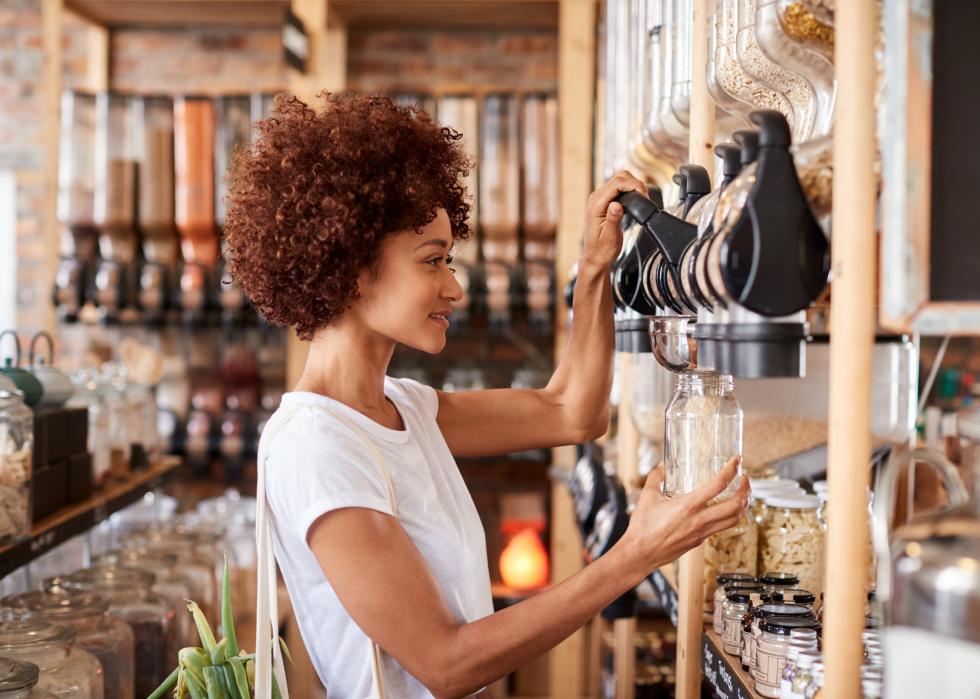
Source foods with no packaging
Shopping with reusable containers—glass or metal containers, silicone bags, bread cloth, and reusable grocery bags—is an incredibly effective way to reduce waste. Choose loose produce—such as whole vegetables and fruit—and source grains, nuts, seeds, flour, and legumes from bulk bins. Use bread cloth or reusable bags for baked goods. Avoid packaged meat, poultry, and fish by visiting the butcher with reusable silicone bags or wax coated wraps. If you can’t avoid a packaged item, choose one in paper, glass, or metal—given that only 9% of plastic is actually recycled.
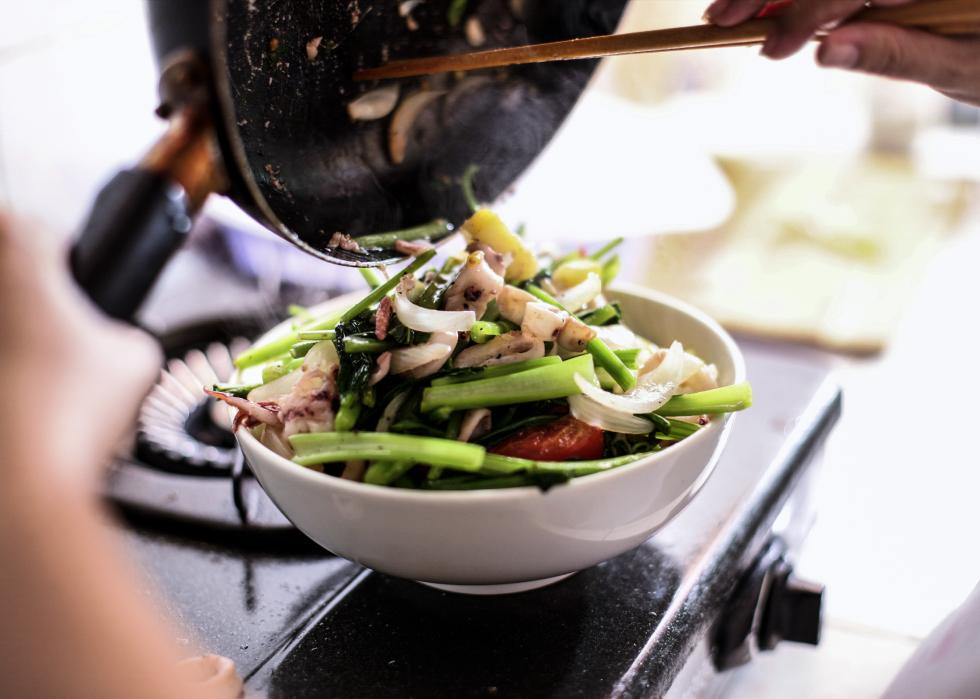
Cook smaller portions to prevent food waste
Preparing large meals, when done right, is an effective zero waste strategy. Of course, this is only true when leftovers are consumed. Maybe it’s time to go small and avoid the waste? This may look like mini-meals—think oats, burritos, pinwheels, wraps, and bowls—or recipes designed for one—think sheet pan meals, personal pizzas, and mason jar salads. Rethink main meals as a combination of your mini-meals—think mini frittatasfrom breakfast served with quinoa for dinner or meat patties from dinner popped on mini buns for a lunch of sliders.
Reuse food scraps in other recipes
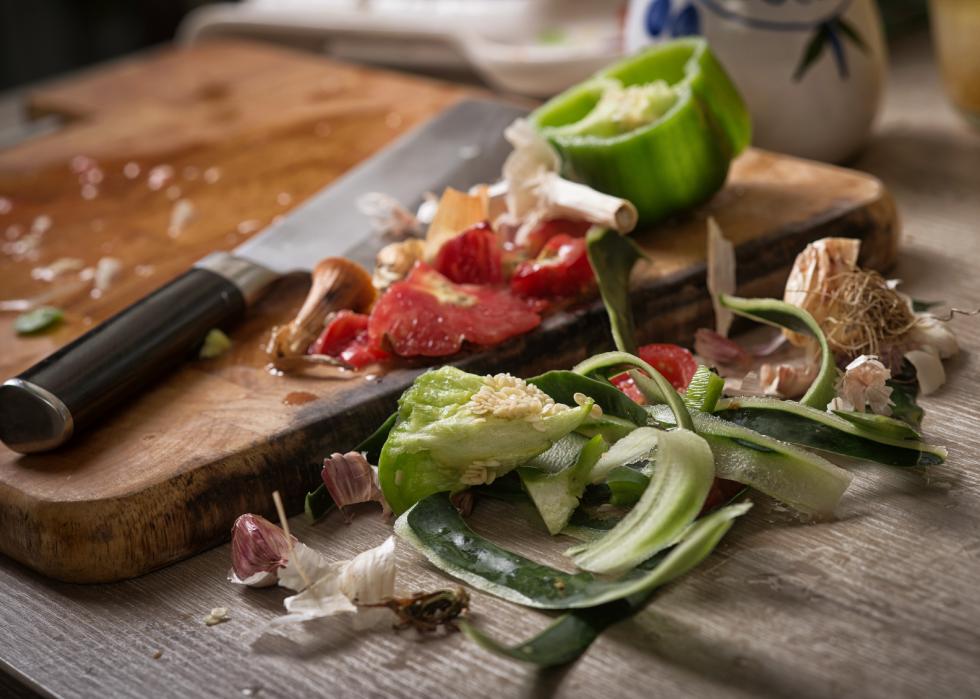
Food scraps can make delicious meals. Instead of throwing out produce tops and stems, dried herbs, and fruit peels, squirrel them away and reuse them. Carrot tops make an excellent pesto, dried herbs can be churned into herb butter, and citrus peels makehealthy candy. These recipes are just the start. Make a list of your go-to snacks and substitute food scraps—veggie chips from leftover vegetable scraps, cauliflower rice from unused stems, or toasted breadcrumbs from day old bread. When all else fails, toss everything in a pot with some stock or broth for Scrappy Soup.
Make stock with inedible scraps
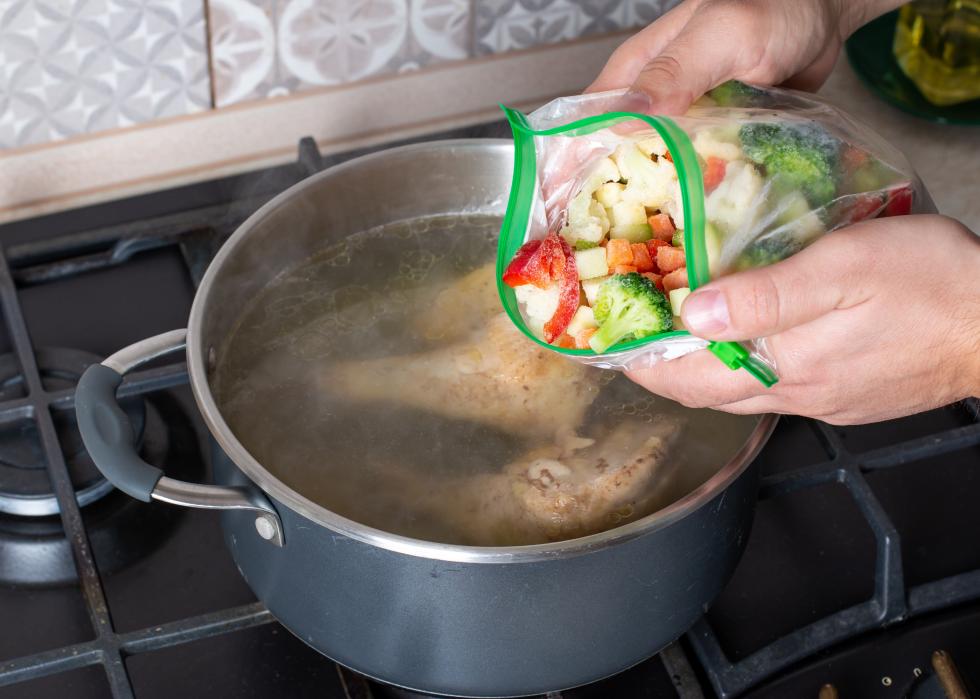
Not all scraps are edible, yet they can still be used to create an edible product—stock. This liquid gold comes from simmering a mixture of animal bones, meat, or vegetables with herbs and spices. Stock is the base for savory stews, thick soups, and flavorful grains. Over the course of your day, week, and month, collect all the veggie skins, tops, and stems; freeze; and, once you have a good amount, pop the lot into a pot of boiling water and simmer. It’s that simple.
Look up zero waste recipes
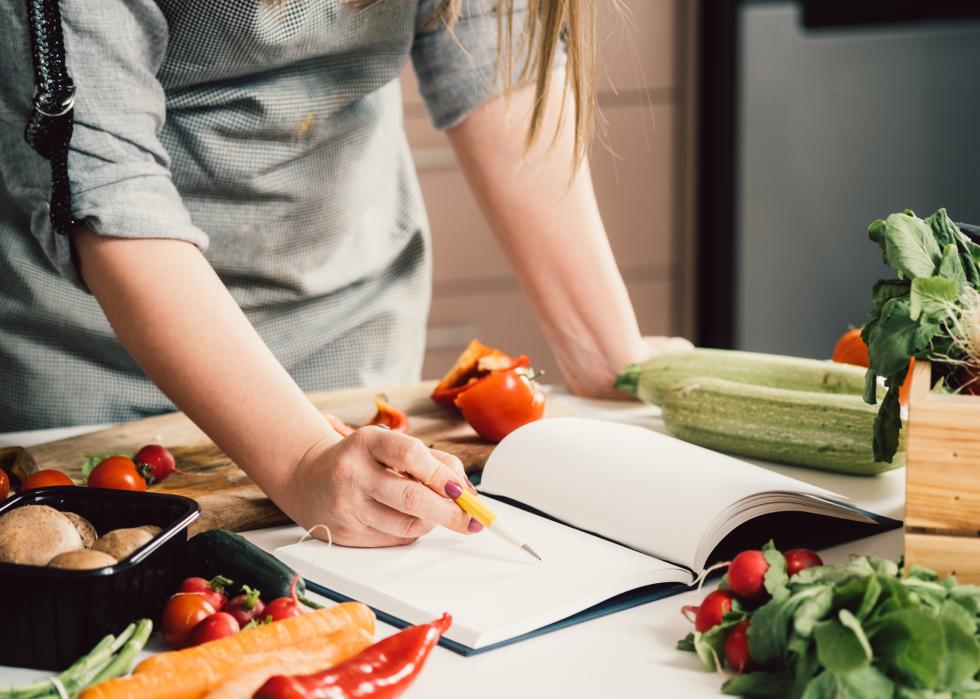
Tips and tricks aside, all you need is five minutes and Google to get the zero waste juices flowing. There are recipes that use food-almost-gone-bad, turning stringy, slightly soggy, unfortunate vegetables, and grains into delicious soups, brownies, and hearty bowls. There are recipes that incorporate all of the product—from top to skin to stem—in both the meal and in your household—think replanting seeds and using eggshells as pot scrubbers. There are also recipes that use scraps for staples such as nut butter, salad dressing, condiments, and packaged foods.
Avoid packaged meal kits
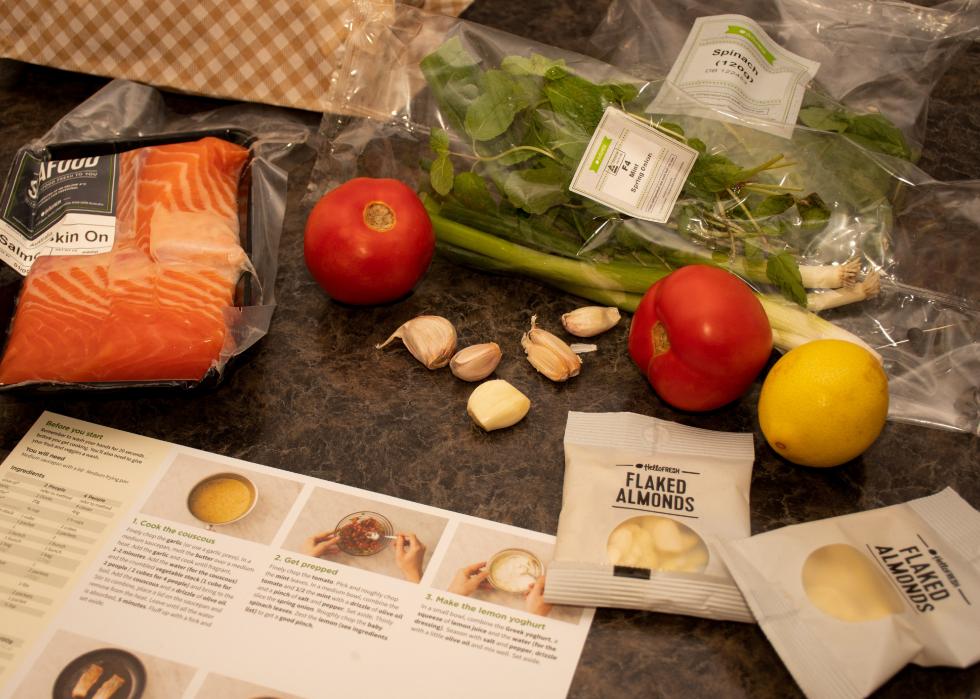
The meal kit industry is worth around $1.5 billion. To keep up with the changing tide of consumerism, meal kit companies are offering healthy, customizable, and delivered-to-your-doorstep options, putting them on course to grow another $5 billion over the next decade. Meal kits are also a huge source of waste. The Association for Plastic Recyclers found that most meal kits used plastic and nonrecyclable materials. While it’s been found that meal kits may reduce food waste, the amount of material waste produced doesn’t balance out.
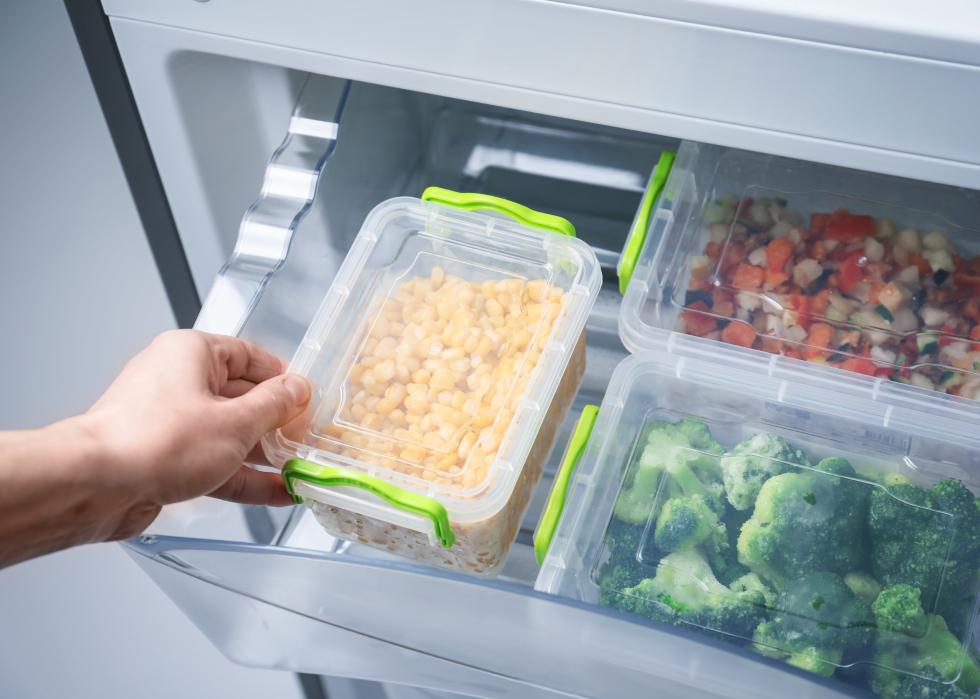
Store food to maximize shelf life
Safely storing and reusing food depends on the type of food: perishable—raw fruits, raw veggies, meat, dairy, eggs, and cooked food; semi-perishable—flour, dried fruits, and grains; or nonperishable foods—dried beans, canned goods, and spices. Perishable foods last between three to seven days in the refrigerator or up to six months in the freezer, depending on the food and temperature. Store semi-perishable foods in vacuumed sealed bags or tightly sealed jars for six months to one year. If handled appropriately, non-perishable foods are non-perishable. Per the Food Revolution Network, there are six tried and true ways to store food to maximize shelf life and minimize food waste: canning, freezing, dehydration, fermentation, pickling, and cold storage. Pick one, or mix and match.
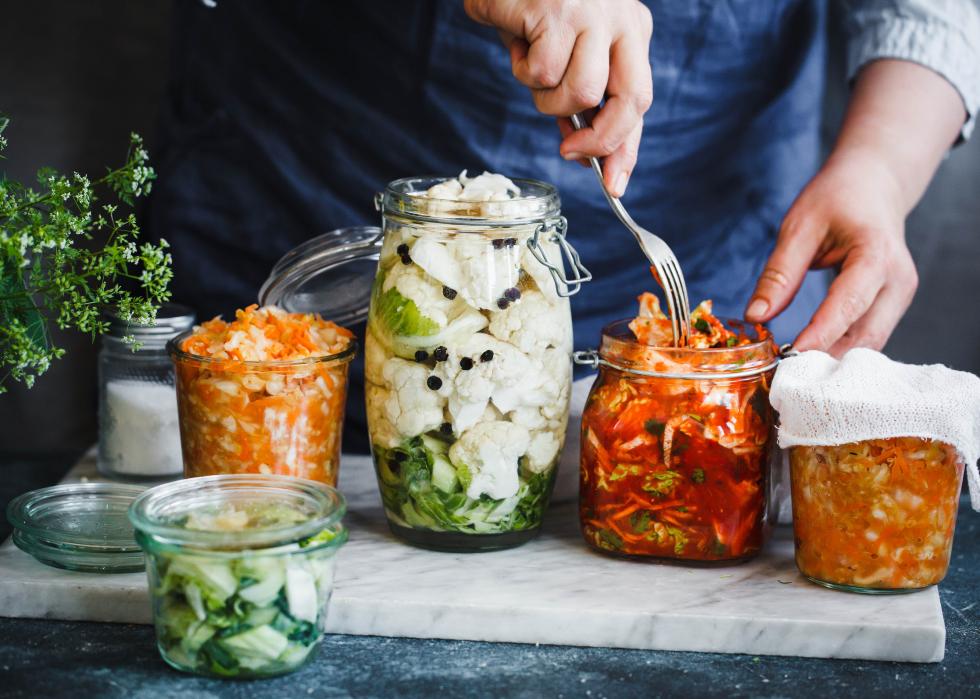
Preserve your own foods
Food preservation—also referred to as canning, freezing, drying, pasteurization, or fermenting—is an ancient practice. Preservation is the best method to avoid spoilage—when food is not safe for human consumption. While there are 11 different food preservation types, fermentation is best for beginners. You only need a clean glass jar with a tight sealing lid, seasonings, salt, water, and veggies or fruit.
Preserving food is a great option for home gardeners or those who purchase perishable foods in bulk. Yet, it’s also an all-around easy and effective zero-waste tactic for anyone.
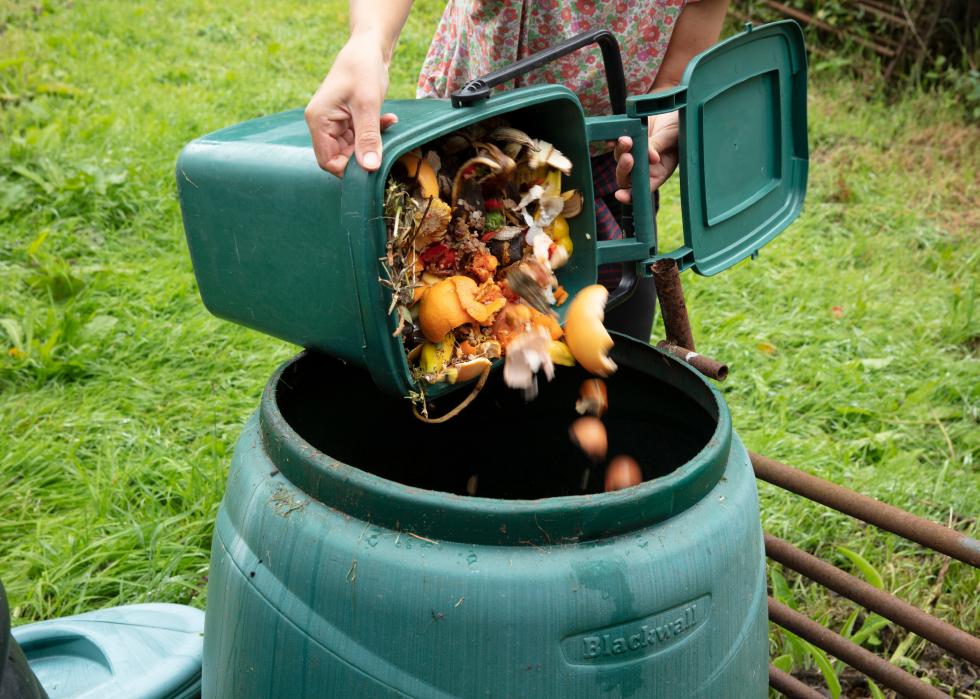
Compost scraps
The Natural Resources Defense Council makes a strong case for composting—it improves soil health, conserves water, and mitigates droughts, recycles nutrients, reduces greenhouse gas emissions, and reduces personal food waste. The rule of thumb is that if it grows, inevitably, it decomposes. The ideal environment needs to be cultivated with bacteria, fungi, and worms—sowbugs or nematodes work as well as air and warmth.
This story originally appeared on Pela and was produced and distributed in partnership with Stacker Studio.




Comments
No Comments