
Discovering the golden treasure of local honey is like finding nature’s sweetest secret. Not only does it taste incredible, but it’s also a wonderful way to support your local ecosystem and beekeepers. Plus, some even say it could have health benefits!
What to Know
- Learn how to spot and source truly local honey
- Understand the difference between raw and processed honey
- Explore health benefits and storage best practices
- Get simple ways to use local honey in recipes and remedies
- Find tips for buying from trustworthy local beekeepers
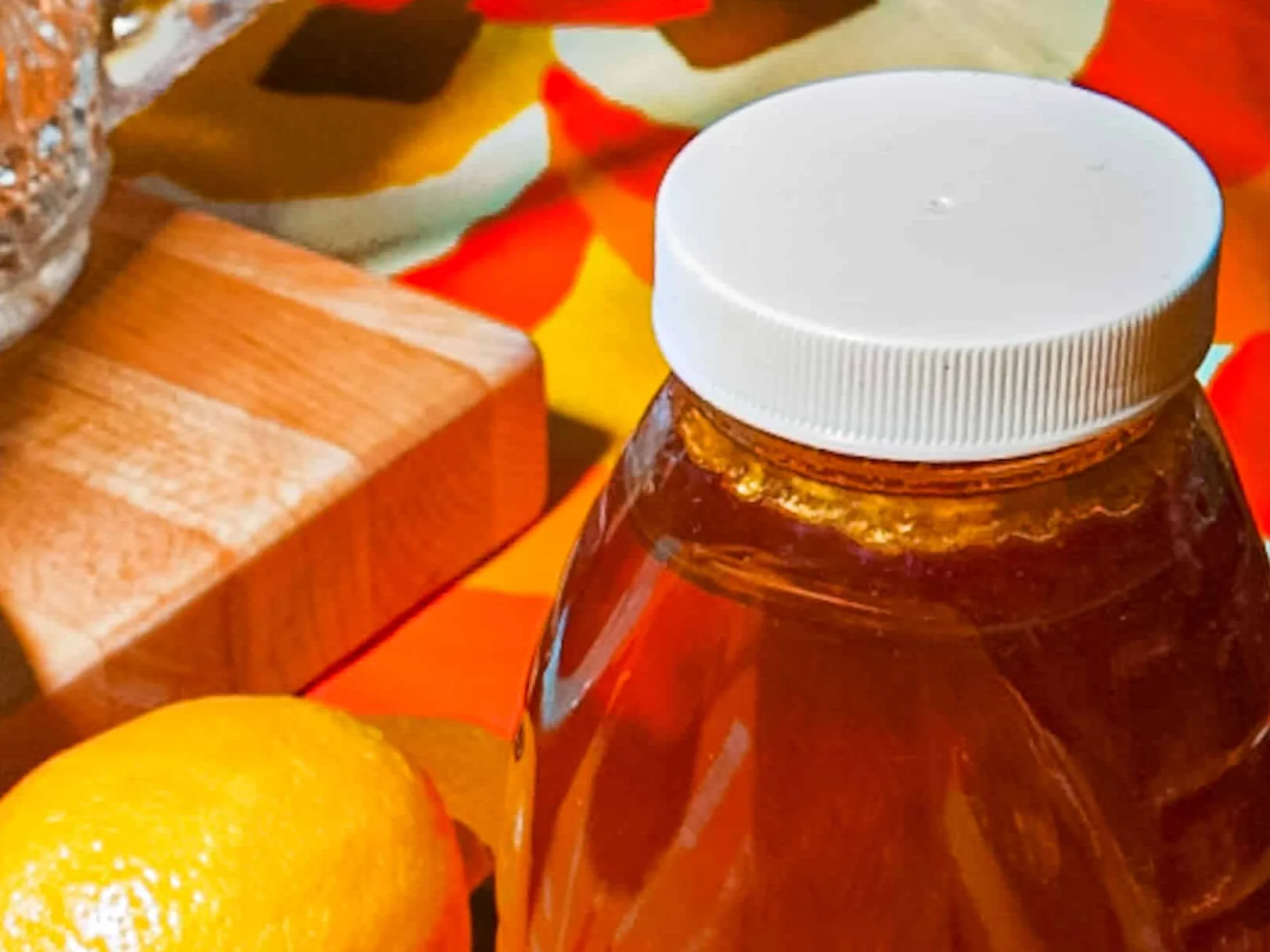
Why Buying Local Honey Is Important
Local honey isn’t just a treat—it’s a little jar of local flavor and hard work from both bees and beekeepers. Each spoonful captures the unique essence of your region’s flowers, making it more than just a sweetener. Choosing local honey helps support farmers and beekeepers who are essential to maintaining healthy bee populations. By doing so, you’re also helping the environment, since bees play a critical role in pollinating plants. Plus, buying local means you're investing in your community's economy!
Supporting Local Beekeepers and the Environment
When you buy honey from local beekeepers, you're doing more than satisfying your sweet tooth. You're helping small-scale operations that often focus on sustainable and ethical beekeeping practices. These local heroes are dedicated to keeping bee populations healthy, promoting biodiversity, and reducing the carbon footprint since the honey doesn’t have to travel far to reach you.
Potential Health Benefits of Local Honey
One of the most talked-about benefits of local honey is its potential to help with seasonal allergies. The idea is that consuming honey with local pollen could work like a natural allergy shot, although the science is still mixed on this. Even without solid proof, many people swear by it for allergy relief. Local honey is also rich in antioxidants and can be a healthier alternative to refined sugars, potentially boosting your immune system and supporting overall health.
Raw vs. Processed Honey: What’s the Difference?
When it comes to honey, raw is the way to go if you want the most benefits. Raw honey is minimally filtered and isn’t heated above the natural temperatures found in the hive, so it retains more of its natural enzymes, antioxidants, and pollen. Processed honey, on the other hand, is pasteurized and filtered, often removing many of those beneficial elements and sometimes adding unnecessary ingredients. Choosing local, raw honey means you're getting the purest, most flavorful experience.
How to Find and Identify Local Honey
Finding local honey is easier than you might think! Start by checking out your local farmer's markets, health food stores, or co-ops. Many of these places work directly with local beekeepers. Look for labels that clearly state where the honey is from—local means it’s produced in your region, not just somewhere nearby. If possible, chat with the beekeepers! They often love sharing their process and might even offer special deals for regular customers.
Hotspots for local honey: Beekeeping thrives in Ohio, Kentucky, Illinois, Colorado, Mississippi, Florida, New York, and Washington. So if you're nearby, you're in luck!
Tips for Using Local Honey in Your Daily Life
Adding local honey to your diet is both delicious and easy. Swap out refined sugar in your coffee or tea, drizzle it over yogurt, pancakes, or even ice cream for a sweet, natural boost. It’s also great in homemade salad dressings or marinades. Since honey is sweeter than sugar, a little goes a long way!
Recipes and Ideas for Using Local Honey
Here are some simple ways to make the most of your local honey:
- Homestyle Elderberry Syrup: Mix elderberries, local honey, and a squeeze of lemon for a syrup that’s perfect on pancakes or in cocktails.
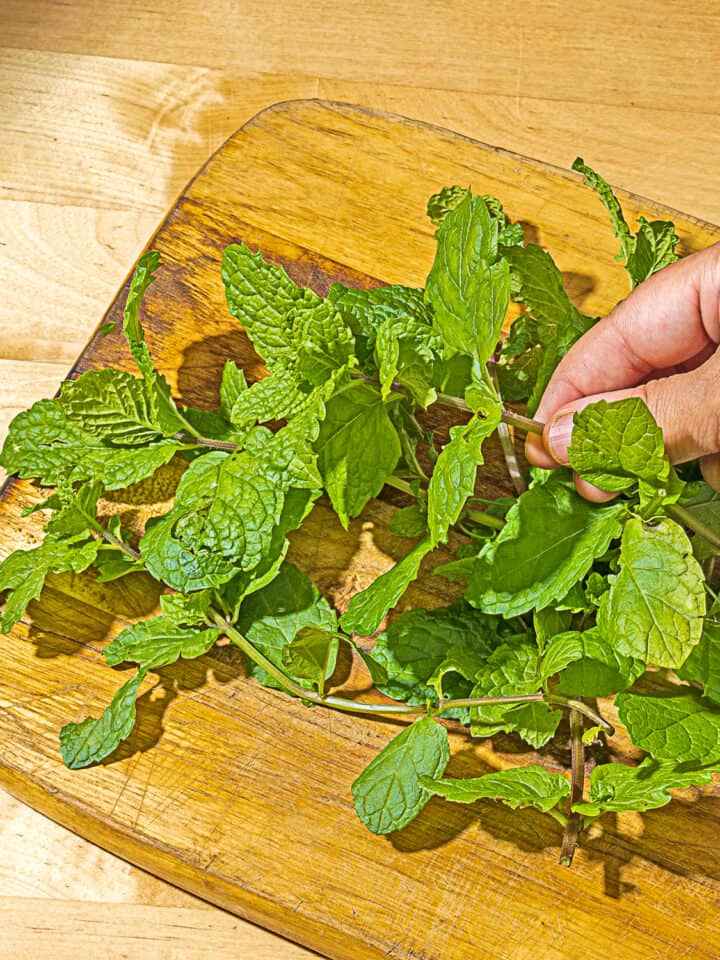
- Honey-Infused Berry Salad: Toss fresh berries with a spoonful of honey and a handful of mint for a refreshing summer treat.
- Honey Lavender Lemonade Stir together fresh lemon juice, water, and honey to taste for a naturally sweetened, hydrating drink.
Storing Local Honey
One of the best things about honey is its long shelf life! Keep it in a tightly sealed container, stored in a cool, dry spot away from sunlight. If your honey crystallizes (which is common, especially with raw honey), don’t worry—it’s still good! Just place the jar in a warm water bath to return it to its liquid form.
Safety Tips for Using Local Honey
While honey is generally safe, there are a few precautions to keep in mind. Never give honey to infants under one year old due to the risk of botulism. And if you're allergic to bees or pollen, it’s a good idea to consult your doctor before adding local honey to your diet.
How to Select and Purchase Local Honey
Ready to bring the best jar of local honey into your kitchen? Here’s how to find the perfect one:
Step 1: Research Local Sources
Look for local honey at farmers' markets, health food stores, or directly from nearby bee farms. You can also check online platforms that specialize in local products.
Step 2: Get to Know the Beekeepers
Engage with local beekeepers at markets or online. Ask them about their bees, nectar sources, and harvesting practices. Many are passionate about their work and love to share the story behind their honey!
Step 3: Understand the Labels
Look for labels that clearly state the honey’s origin. For the best quality, choose raw honey. Certifications are helpful but not always necessary, especially for small-scale producers.
Step 4: Inspect the Honey
Check the color and texture. Darker honey often has a bolder flavor and more antioxidants, while crystallization is a good sign that the honey is raw and natural.
Step 5: Taste Testing
If possible, try a sample before buying. Each jar of local honey can have unique flavor notes, depending on the flowers the bees visited.
What to Watch Out For
While shopping for honey, keep an eye out for these red flags:
- Vague Labels: Honey that doesn’t specify its source may not be truly local.
- Too Cheap: If the price seems too good to be true, it probably is! High-quality local honey reflects the hard work of beekeepers.
- Overly Processed Look: Clear, uniform honey may have been heavily processed, stripping away some of the natural benefits.
Local honey is much more than just a sweetener. It’s a direct connection to the environment, local beekeepers, and the ecosystems that sustain us. By choosing local honey, you’re supporting sustainability and savoring the unique flavors of your region. So take the time to explore your options, get to know your local beekeepers, and enjoy the rich, natural sweetness that only local honey can provide.
What does local honey do for you?
Local honey may support your immune system by exposing you to small amounts of local pollen, which some people believe can help with seasonal allergies. It’s also a delicious, minimally processed sweetener that reflects your region’s unique plant life.
What is the difference between local honey and raw honey?
Local honey refers to honey made by bees in your geographic area, while raw honey describes honey that hasn’t been heated or pasteurized. You can have honey that’s both local and raw—meaning it’s produced nearby and minimally processed.
How many miles is honey considered local?
Honey is typically considered “local” if it’s harvested within about 50–100 miles of where you live. This range ensures the bees likely foraged from the same types of plants and regional pollen that affect your environment.
Is it good to eat a spoonful of honey every day?
A spoonful of honey can be a natural way to sweeten foods and soothe your throat. In moderation, it offers antioxidants and trace enzymes—but it’s still sugar, so daily use should be balanced with your overall diet.



Comments
No Comments