• Skip to main content
  • Skip to primary sidebar

Slow Living Kitchen

menu icon
go to homepage
  • Start Here
  • Food Preservation
  • Foraging Guides & Resources
  • Seasonal Recipes
  • About
    • Contact
    • Email
    • Instagram
    • Pinterest
    • Twitter
    • YouTube
  • subscribe
    search icon
    Homepage link
    • Start Here
    • Food Preservation
    • Foraging Guides & Resources
    • Seasonal Recipes
    • About
      • Contact
    • Email
    • Instagram
    • Pinterest
    • Twitter
    • YouTube
  • ×

    Published: May 15, 2024 · Modified: Jul 31, 2025 by Stephanie Gravalese · This post may contain affiliate links ·

    What to Forage in August

    August is a great time to forage. The weather is still warm but not so hot that you'll sweat your pants off. Plenty of ripe fruits and vegetables are to be found, and the flowers are blooming like crazy.

    The best part about foraging in August is finding some really interesting stuff. Some plants will only grow in certain areas, so knowing where to look is important.

    Dandelions

    top down view of a person wearing gold sneakers and jeans in a field of dandelions

    Guess who's back back back, back again again again? You can almost call September. The return of spring with some of our favorite wild edibles. Coming back for a second pass. As a reminder, all the dandelion is edible, with leaves, flowers, and roots.

    Learn More: Foraging for Dandelions
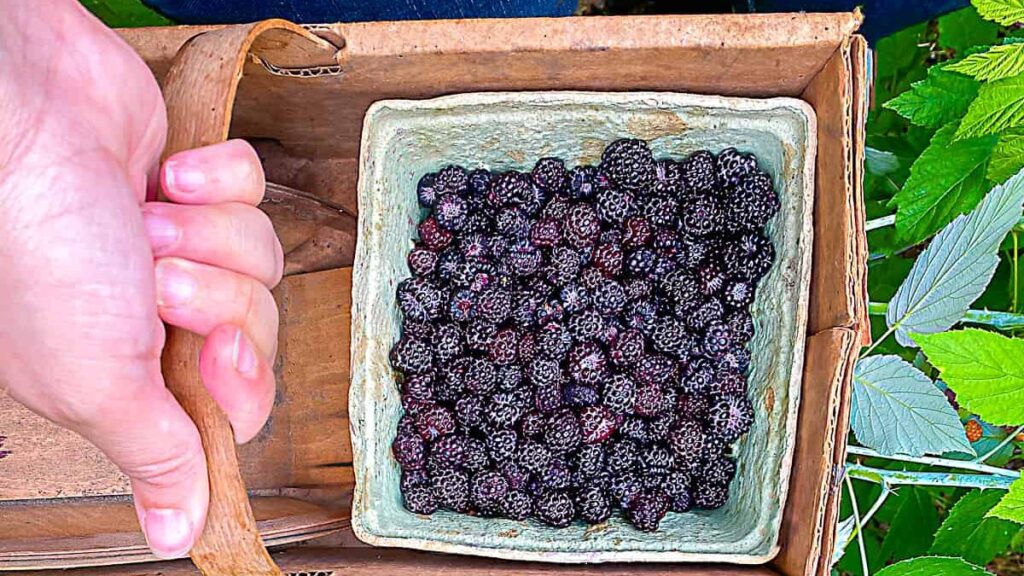
    person holding basket with black raspberries standing in a green blackberry bushes
    image credit: stephanie gravalese // slow living kitchen

    Raspberries: Wild raspberries can still be found in September, providing sweet and juicy fruits 

    Apples

    a bowl of crab apples and leaves

    Apples: Various apple varieties, including crabapples, are ready for picking in September. Many city streets are lined with crab apple trees. Look for wild apple trees and enjoy their delicious fruits.

    Elderberries

    Elderberries ripen in September and can be used to make syrups, jams, or elderberry wine. They are also known for their immune-boosting properties. 

    Nettles
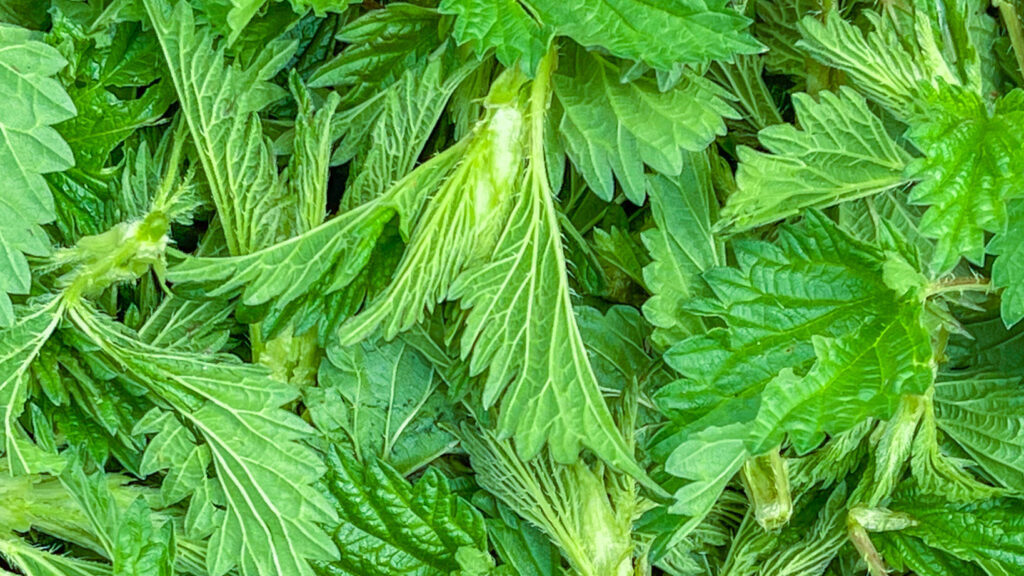
    top down view of stinging nettle tops

    Nettles: While nettles are typically associated with spring, you can still find them in September. Harvest the young leaves to use in soups, stews, or teas.

    Learn more: Foraging for Stinging Nettles

    Chicory

    Blue Chicory flowers, close up.
    Blue Chicory flowers, close up. Violet Cichorium intybus blossoms, called as sailor, chicory, coffee weed, or succory is a somewhat woody, herbaceous perennial plant of the dandelion family Asteraceae.

    Chicory: September is a great time to harvest chicory roots as a coffee substitute or an additive to coffee

    Wild plums
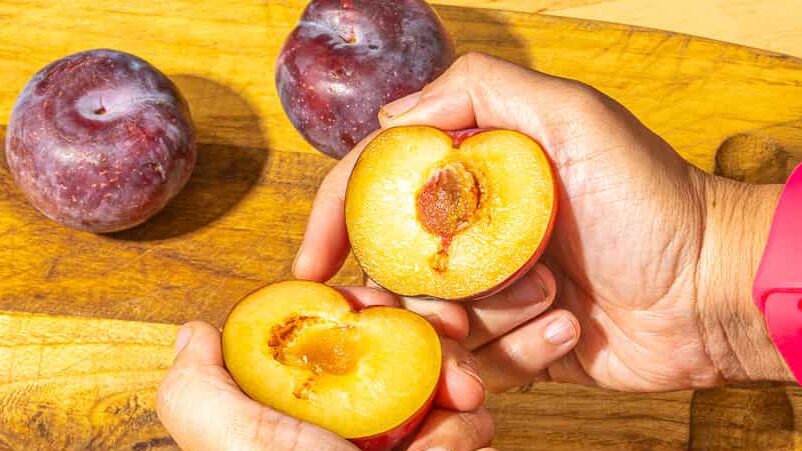
    person holding two halves of a plum

    Wild plums: Keep an eye out for wild plum trees in September. The fruits can be eaten fresh, used in preserves, or made into delicious desserts.

    Rosehips

    wild rose hips on their stems with other roses in the background

    Rosehips, the fruit of wild roses, are rich in vitamin C and can be harvested in September. They can be used to make teas, syrups, or jellies.

    Learn more: How to make Rose Hip Tea

    Hazelnuts

    Hazelnuts: Look for hazelnut trees in September and gather the nuts once they have fully ripened. Roast them for a tasty and nutritious snack.

    A word of caution

    MINSK, BELARUS - 1 OCTOBER, 2020: mowing and herbicide treatment of sosnovsky hogweed
    Deposit Photos | MINSK, BELARUS - 1 OCTOBER, 2020: mowing and herbicide treatment of sosnovsky hogweed

    I am not an expert in botany and do not claim that all of these plants are safe to consume, so please consult a professional if you have any doubts about what you find.

    Learn more: Tips for Foraging
    More Foraging

    • JLA07019
      Foraging Basics and Safety Tips
    • person a bunch of wild onions with left hand. The background is hundreds of foraged wild garlic heads, cloves and leaves
      Beginner's Guide to Identifying Wild Edibles
    • JLA07155
      The Ultimate Guide to Foraging Tools and Gear
    • JLA07192
      Must-Have Mushroom Foraging Tools for Success in the Field
    Avatar of Stephanie Gravalese

    About Stephanie Gravalese

    Hi, I'm Stephanie Gravalese! I'm a food writer, photographer, and recipe developer with a decade of experience in the food industry. Here, I share seasonal recipes, sustainable preservation, and foraging guides for a more intentional kitchen.

    Reader Interactions

    Comments

    No Comments

    Leave a Reply Cancel reply

    Your email address will not be published. Required fields are marked *

    Recipe Rating


    Primary Sidebar

    I'm a food writer, photographer, and recipe developer with a decade of experience in the food industry. Here, I share seasonal recipes, sustainable preservation, and foraging guides for a more intentional kitchen.

    Learn More

    Popular

    • a jar of onions in a jar
      Homemade Onion Honey Cough Syrup
    • Person placing a in lemon slice into a glass of Ginger infused water
      Ginger Water
    • dried mulberry leaves on metal rack on a metal surface
      How to Dry Mulberry Leaves for Tea, Storage, or Herbal Recipes
    • A tall glass of clove water set against a wooden background with a jar of honey and cloves
      How to Make Clove Water

    Preservation Station

    • pink paloma mezcal topped with lime and grapefruit slices with lime wheels in corner
      Mezcal Paloma
    • bowl of gnocchi with carbonara and pancetta topped with cheese
      Gnocchi Carbonara

    Footer

    ↑ back to top

    About

    • About Me
    • Recipes
    • Privacy Policy

    Newsletter

    • Sign Up! for emails and updates.
    • Web Stories

    Contact

    • Contact
    • Let's Work Together

    As an Amazon Associate, I may earn from qualifying purchases.